 Uncategorized
Why You Should Never Pour Fat or Grease Down the Sink
TL;DR: Pouring fat or grease down the sink is one of the fastest ways to block a domestic drain. Fat cools within seconds of leaving the pan, sticks
READ MORE


TL;DR: Pouring fat or grease down the sink is one of the fastest ways to block a domestic drain. Fat cools within seconds of leaving the pan, sticks
READ MORE
TL;DR: You can move or divert a drain on your property, but permission depends on who owns the pipe. A private drain serving only your home can usually
READ MORE
TL;DR: If a drain serves two or more properties and connects to the public sewer, it is almost certainly no longer yours to fix. The 2011 private sewer
READ MORE
TL;DR: A build over agreement is written consent from your water company to build over, or within three metres of, a public sewer or lateral drain. In Cornwall,
READ MORE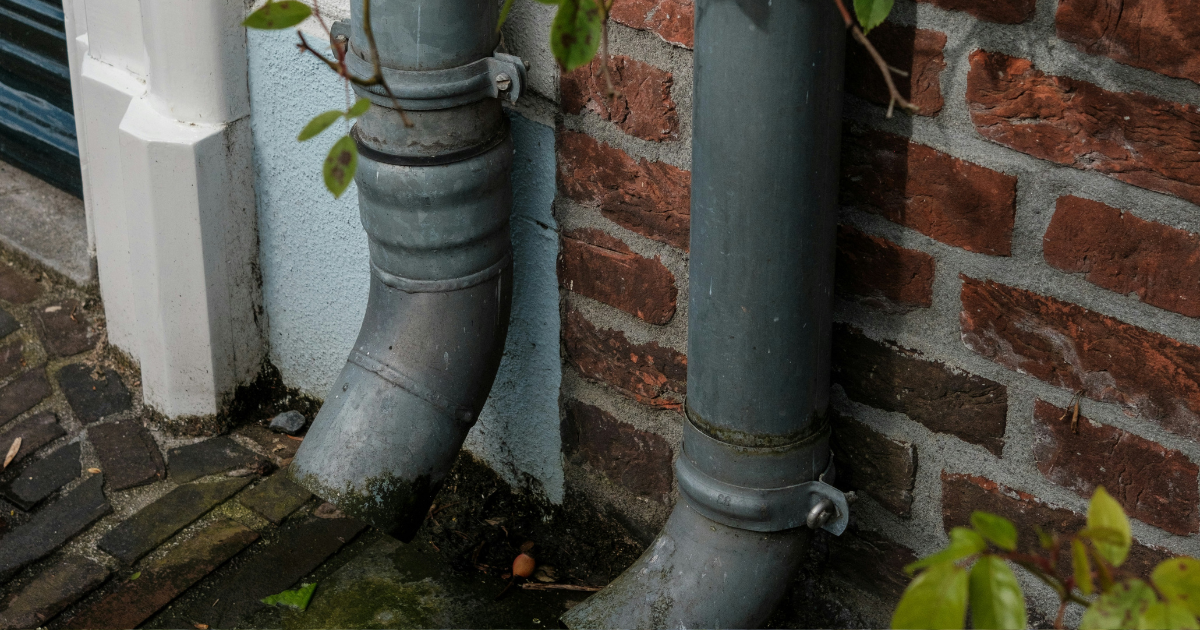
TL;DR: A private drain is the section of pipe inside your property boundary that serves only your building. A lateral drain is the same pipe once it crosses
READ MORE
TL;DR: A CCTV Drain Survey Report records what the camera found inside your drainage system. It uses standard WRc codes, distance markers, clock references and condition grades from
READ MORE
TL;DR: Drain surveys for subsidence use a camera to inspect buried pipework and establish whether a leak is washing soil out from under your foundations. The survey reveals
READ MORE
TL;DR: Drain excavation and replacement means digging down to a damaged underground pipe, removing it, and laying new pipework in its place. It is the right call when
READ MORE
TL;DR: CIPP (Cured In Place Pipe) lining is a no-dig drain repair method that forms a new pipe inside a damaged one. A resin-soaked liner is pulled or
READ MORE
TL;DR: A drainage and water search (CON29DW) is the official conveyancing report from the water company confirming how a property connects to the public water and sewer network.
READ MORE