

 blog
blogTL;DR: A blocked inspection chamber means wastewater has backed up in the access point between your property and the public sewer. Common causes include fat and grease, wet wipes, silt, and tree roots. This guide covers what an inspection chamber is, why it blocks, whether it is your responsibility or South West Water’s, and how to clear it safely. For a collapsed pipe or a blockage that keeps returning, call a drainage engineer.
You lift the cover on your inspection chamber and find it full to the brim with dark water. Nothing is draining, and there is a foul smell rising from the hole. A blocked inspection chamber is one of the clearest signs that flow has stopped somewhere between your home and the main sewer, and it rarely clears on its own.
Most blockages have a simple cause and a quick fix. Others point to a deeper fault in the pipe that needs proper diagnosis before anyone lifts a spade. Cornwall’s older clay pipes, high water tables, and mature tree roots make silted and root-blocked chambers a regular call-out across the county. Left too long, that backed-up water finds the lowest point it can reach, often a downstairs toilet or a gully by the back door.
This post explains what an inspection chamber does, what causes it to block, how to tell whether the blockage is yours or South West Water’s, and the safe way to clear one.
What Is An Inspection Chamber?
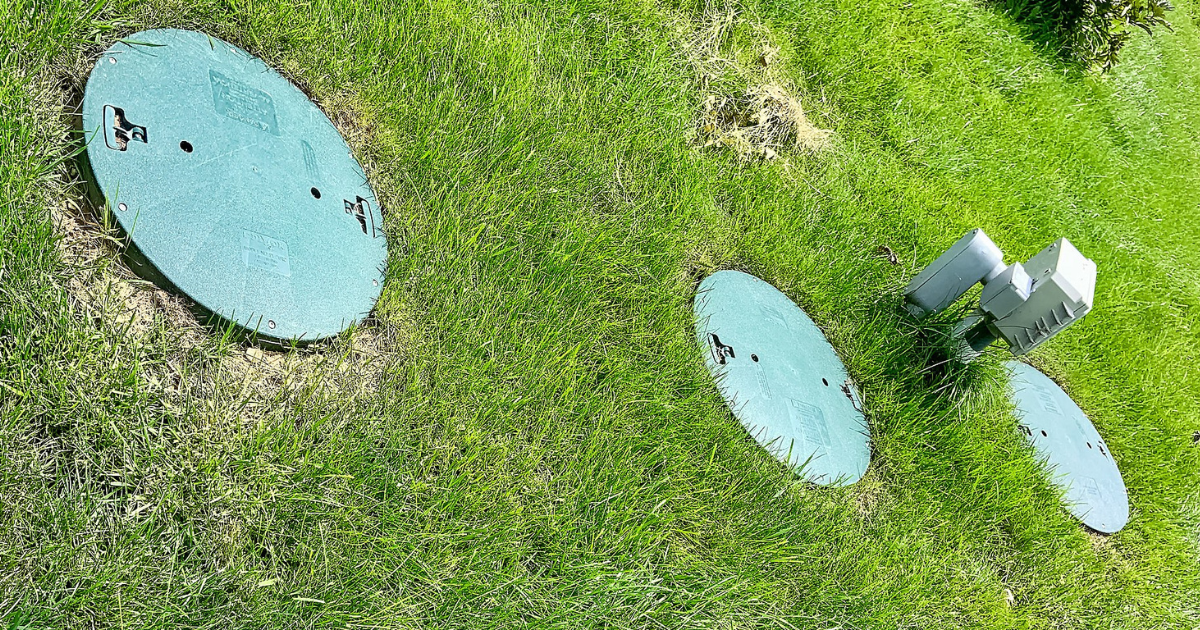
An inspection chamber is an underground access point on your drainage system, covered by a square or round lid at ground level. It lets an engineer see, rod, and clear the pipes that carry wastewater away from your property. Most homes have at least one, often near a boundary, path, or driveway.
People often call it a manhole, but the two are not quite the same. A manhole is larger and deep enough for a person to climb into, and it is more often found on public sewers. An inspection chamber is smaller and shallower, worked entirely from the surface with rods or a camera.
Inside, you will see an open channel at the base that guides the flow, with one or more pipes entering and leaving. When the chamber is working, water passes straight through the channel and away. When it fills up, that tells you the obstruction sits downstream, in the pipe leaving the chamber towards the sewer.
What Causes A Blocked Inspection Chamber?
A blocked inspection chamber is caused by something stopping the flow in the pipe that leaves it, most often fat and grease, flushed wet wipes, built-up silt, or tree roots growing through a joint. Collapsed or displaced pipe sections cause the more stubborn blockages. The chamber fills because the obstruction sits between it and the sewer.
Drains and sewers were built to carry three things: human waste, wastewater, and toilet paper, according to Water UK. Everything else is a potential blockage. More than 300,000 sewer blockages are cleared across the UK each year, and South West Water alone estimates it spends £4.5 million a year clearing them from its 17,000 km network, as reported by Aquatech.
Fat, Oil And Grease (FOG)
Fat, oil, and grease, known in the trade as FOG, is the single biggest cause. Poured down the kitchen sink it looks harmless as a warm liquid. Once it cools in the pipe, it sets like candle wax and grabs everything that passes. Over a few weeks it builds into a solid mass that chokes the flow completely.
Wet Wipes And Sanitary Items
Wet wipes are the other main offender. Even the ones labelled flushable do not break down the way toilet paper does. They snag on any rough edge, bind with fat, and form the base of a blockage. Sanitary products, cotton buds, and kitchen roll do exactly the same.
Silt, Mud And Debris
In Cornwall, silt is a frequent culprit. Heavy coastal rainfall washes grit and soil into gullies, and a high water table pushes fine sediment into older pipe joints. A shallow chamber near a driveway or garden can slowly fill with this material until the flow stops. This is the classic outside drain blocked with silt that no amount of hot water will fix.
Tree Roots And Collapsed Pipes
Tree roots find the smallest gap in a pipe joint, then grow towards the water and nutrients inside. Cornwall’s mature gardens and hedge-lined boundaries make root ingress common, especially in older clay pipes. Roots trap debris and can crack the pipe as they thicken. A collapsed or displaced section, from ground movement or decades of wear, causes the blockages that no amount of rodding will shift.
If your chamber keeps blocking, the cause often lies deeper in the system. Our guide to blocked drains in Cornwall covers the warning signs worth watching for.
How To Tell If The Blockage Is Yours Or South West Water’s
Responsibility depends on where the blockage sits. You are responsible for private drains inside your property boundary that serve only your home. South West Water is responsible for lateral drains beyond your boundary and for shared and public sewers. The chamber that fills first usually points to which side the blockage is on.
Since 1 October 2011, most shared drains and lateral drains outside property boundaries transferred to the water company under the private sewer transfer, as Citizens Advice explains. In Cornwall, that company is South West Water.
A few quick checks help you work out where a blocked drain outside the house sits:
- Only your home is affected and a chamber inside your boundary is full: the blockage is likely on your private drain.
- Neighbours have the same problem, or water is rising from a chamber in the road: this points to a shared or public sewer, which is South West Water’s responsibility.
- Your property is off the mains and runs on a septic tank: different rules apply, and the tank and its pipework are your responsibility.
South West Water will investigate the cause for free and clear blockages on its own pipes at no charge to you, as set out on its sewer responsibility page. Cornwall Council guidance confirms that once a pipe leaves your boundary, or serves more than one property, it falls to South West Water to sort out.
How Do You Clear A Blocked Inspection Chamber?
To clear a blocked inspection chamber, lift the cover, identify which pipe is blocked, and use drain rods to push through the obstruction from the chamber towards the sewer. Wear gloves, never climb in, and stop if the blockage will not move. A simple silt or fat blockage often clears in under an hour.
Before anything else, safety. Never enter an inspection chamber. Drainage systems can hold dangerous gases, and the sides can give way without warning. All the work below is done from ground level.
- Protect yourself. Put on heavy-duty gloves and old clothing, and keep a bucket and hose to hand.
- Lift the cover. Use a proper cover key, or two screwdrivers in the lifting slots. Some covers are heavy, so lift with your legs and keep children and pets back.
- Find the blocked pipe. Look at the channel in the base. The pipe with water backed up against it sits upstream of the blockage.
- Rod towards the sewer. Fit a plunger or worm head to your drain rods, feed them into the blocked pipe, and push firmly.
- Turn clockwise only. Rotate the rods clockwise as you work. Turn them the other way and they can unscrew and be lost in the pipe.
- Work the blockage until the water drops. A sudden fall in the water level means you are through. Run the hose to flush out the loosened material and check the flow holds.
A couple of things to avoid:
- Do not pour caustic soda or strong chemicals into a full chamber. They will not reach a downstream blockage, and they create a hazard for whoever works on the drain next.
- Do not force rods against a hard, immovable blockage. That is often a collapsed pipe or a heavy root mass, and forcing it can cause real damage.
If the water will not move, or it clears and then blocks again within days, the cause is deeper than rods can reach. That is the point where High-Pressure Jetting or a camera inspection earns its place.
When To Call A Professional
Call a professional drainage engineer when rodding fails, when the blockage returns quickly, when more than one chamber is full, or when sewage is backing up into the house. These all point to a fault that needs diagnosis, not just clearing.
A CCTV drain survey sends a camera through the pipe to find the exact cause and location, whether that is a root mass, a collapse, or a displaced joint. It also gives you evidence of where the blockage sits, which matters when responsibility is shared with South West Water.
Where the survey finds a cracked or root-damaged pipe, drain relining repairs it from the inside, with no need to dig up your garden or drive. It is a permanent, no-dig repair, and ours carries a 5-Year Guarantee.
Our engineers reach anywhere in Cornwall within one to two hours, there is no call-out fee, and you get a fixed-price quote before any work starts. We are available 24 hours a day, every day of the year, so a blocked chamber at 2am gets the same rapid response as one at midday.
How Can You Prevent A Blocked Inspection Chamber?
You prevent a blocked inspection chamber by keeping fat, wipes, and food waste out of your drains, and by clearing silt before it builds up. A regular jetting or camera check catches problems early, which matters most on older properties and holiday lets that see heavy seasonal use.
A few habits make the biggest difference:
- Kitchen: scrape food into the bin and let fat cool and solidify before binning it, rather than pouring it down the sink.
- Bathroom: flush only the three Ps (pee, poo, and paper), and bin wet wipes and sanitary items.
- Outside: keep the chamber cover clear and check it after heavy rain for silt building up in the channel.
- Maintenance: schedule periodic High-Pressure Jetting to keep pipes clear, particularly on rental and holiday-let properties.
Properties off the mains sewer rely on a septic tank, which is common across rural Cornwall. These need their own routine care, and our septic tank maintenance service keeps them running between empties. Buying an older Cornish property? A camera survey before you commit can flag a failing drain before it becomes your problem.
Conclusion
A blocked inspection chamber is a clear warning that flow has stopped somewhere between your home and the sewer. A simple fat or silt blockage often clears with drain rods in under an hour. Recurring blockages, a full chamber that will not shift, or sewage backing up all point to a deeper fault that needs a camera and an expert eye.
If you are in Cornwall and your chamber is overflowing, do not wait for it to reach the house. Call our emergency team right now and we will be with you within one to two hours, with no call-out fee and a fixed-price quote before we start.
Frequently Asked Questions
Why Is My Inspection Chamber Full Of Water?
A full inspection chamber means the pipe leaving it is blocked, so wastewater has nowhere to go and backs up into the chamber. The cause is usually fat, wipes, silt, or roots downstream of that point. Lift the cover to confirm which pipe is affected, then rod towards the sewer or call an engineer.
Can I Clear A Blocked Inspection Chamber Myself?
Yes, many blockages clear with a set of drain rods and some patience. Wear gloves, never climb into the chamber, and rod towards the sewer, turning the rods clockwise only. If the blockage will not move or it returns within days, stop and call a professional, as the cause is likely a collapse or heavy root ingress.
What Is The Difference Between A Manhole And An Inspection Chamber?
An inspection chamber is a smaller, shallower access point worked from the surface with rods or a camera. A manhole is larger and deep enough for a person to enter, and is more often found on public sewers. Both give access to the pipes, but you should never enter either one yourself.
Who Is Responsible For A Blocked Inspection Chamber In Cornwall?
If the chamber and blocked pipe sit inside your boundary and serve only your home, the blockage is your responsibility. If the pipe runs beyond your boundary or serves more than one property, it falls to South West Water. Report anything you suspect is on a shared or public sewer to South West Water, who will investigate the cause at no charge.
Is It Safe To Open An Inspection Chamber?
Lifting the cover to look inside is safe if you take care. Covers can be heavy and the surround slippery, so lift with a proper key and keep children and pets back. Opening it is fine. Climbing in is not, because drainage chambers can contain harmful gases and unstable sides, so all work below the surface should be left to a trained engineer.
How Much Does It Cost To Clear A Blocked Inspection Chamber?
The cost depends on the cause and how much work is needed to reach and clear the blockage. Clear Stream gives a fixed-price quote before any work begins, and there is no call-out fee, so you know the price up front. A straightforward rodding job costs less than clearing a collapsed pipe that needs a camera survey and repair.
