

 blog
blogTL;DR: Your septic tank relies on live bacteria to break down waste. Put the wrong things down the drain and you kill that bacteria, block the system, or damage the drainage field. This guide covers what can and can’t go down a septic tank, the items that cause the most costly damage, and how to keep your Cornwall system running properly.
Knowing what can and can’t go down a septic tank is the difference between a system that runs quietly for decades and one that backs up into your garden. A septic tank isn’t a bin. It’s a living treatment system that depends on bacteria to work, and every time something harmful goes down the drain, that bacteria takes a hit.
Thousands of Cornwall homes sit off the mains sewer network and rely on a septic tank instead. Rural properties, coastal cottages, and holiday lets across the county all depend on getting this right. One wrong habit, repeated over a few months, can cost you thousands in repairs.
This guide explains exactly what belongs in your septic tank, what never should, and how to protect the system that protects your home.
How Does a Septic Tank Actually Work?
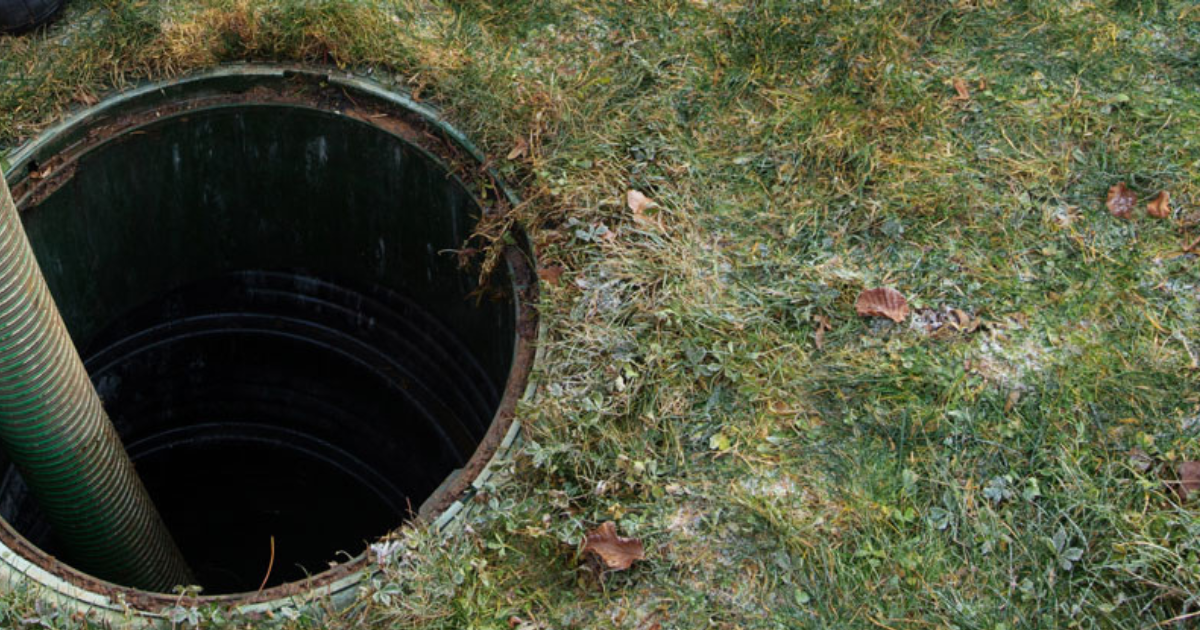
A septic tank is an underground tank that treats the wastewater from your home using natural bacteria. Solid waste sinks to the bottom, where bacteria break it down. The remaining liquid flows out to a drainage field, where it filters safely through the ground.
Inside the tank, waste separates into three layers. Solids settle at the bottom. A crust of fats and oils floats on top. The liquid in the middle, called effluent, is what drains away for final treatment in the soil.
The whole process runs on bacteria. Those bacteria are alive, and they need a steady diet of ordinary waste to stay healthy. Starve them, poison them, or overload them, and the tank stops treating waste properly. That’s when odours, backups, and pollution start.
Cornwall adds its own challenge. Heavy clay subsoils and high water tables are common across the county, and both slow down how quickly a drainage field can absorb effluent. A system that copes fine in dry, sandy ground can struggle here, which makes protecting the bacteria even more important.
What Can Safely Go Down a Septic Tank?
Only three things should go down a septic tank: human waste, toilet paper, and the wastewater from normal washing and bathing. These break down naturally and keep the bacteria fed. Everything else belongs in the bin or should be disposed of another way.
Here’s what your tank is built to handle:
- Human waste. This is exactly what the bacteria are there to process.
- Toilet paper. Standard toilet tissue breaks down quickly. Thicker quilted papers dissolve more slowly, so lighter tissue is the safer choice.
- Wastewater from baths, showers and sinks. Soapy water in normal amounts is fine.
- Septic-safe cleaning and washing products. Used in sensible quantities, these won’t harm the bacteria.
One habit helps more than any product: spreading your water use across the day. Running several loads of washing back to back pushes a surge of water through the tank and flushes waste out before the bacteria have finished with it. Space things out and the system copes far better.
What Should Never Go Down a Septic Tank
Anything that kills bacteria or won’t break down should never go down a septic tank. That covers harsh chemicals, fats and oils, wet wipes, sanitary items, food waste, and medicines. Each one either poisons the treatment process or clogs the pipes and drainage field.
Chemicals and Cleaning Products
Bleach, disinfectants, drain unblockers, and antibacterial cleaners are designed to kill bacteria. That’s exactly what you don’t want inside a septic tank. Small, occasional amounts do little harm, but regular or heavy use wipes out the bacteria your system depends on. Paint, white spirit, weedkiller, and other solvents are just as damaging and won’t break down at all.
Fats, Oils and Grease
Cooking fat looks harmless as it goes down the sink. It cools, hardens, and sticks to the inside of your pipes. Over time it builds up into blockages, and any grease that reaches the drainage field can coat the soil and stop it absorbing liquid. Pour cooled fat into a container and put it in the bin instead.
Wipes, Sanitary Items and Non-Biodegradables
Wet wipes are one of the most common causes of blocked systems, and “flushable” on the packet doesn’t mean septic-safe. Nappies, sanitary towels, tampons, cotton buds, and kitchen roll all fail to break down and collect inside the tank and pipes. These belong in the bin, every time.
Food Waste and Medicines
Food scraps add a heavy load of solids the bacteria can’t clear quickly, and they build up faster than the tank can handle. Coffee grounds are a particular offender. Medicines are another hidden risk: antibiotics and strong medications can devastate the bacterial colony, so return unused medicines to your pharmacy rather than flushing them.
Why the Wrong Items Cause Expensive Damage in Cornwall
Putting the wrong items down a septic tank leads to three costly outcomes: blocked pipes, a failed drainage field, and a tank that needs emptying far more often. In Cornwall, heavy clay soils and high water tables make drainage field failure especially difficult and expensive to fix.
The damage tends to build slowly, then appear all at once. A blocked pipe shows up as slow drains or gurgling. A failing drainage field shows as soggy ground, pooling water, or odours near the tank. By the point you notice, the repair is usually a bigger job than the habit that caused it.
This is where a proper diagnosis pays off. A CCTV Drain Survey lets our engineers see inside the pipework and find the exact cause, rather than guessing. For a build-up of hardened fat or scale, High-Pressure Jetting clears the line without digging. Where a pipe has cracked or collapsed, Drain Pipe Relining repairs it from the inside, with no need to dig up your garden. Every repair we carry out is backed by our 5-Year Guarantee.
If you’re already dealing with a backup, don’t wait for it to get worse. Our team handles blocked drains across Cornwall with no call-out fee and a 1 to 2 hour response time, day or night.
What Products Are Safe to Use With a Septic Tank?
Septic-safe products are cleaning and washing products that don’t kill the bacteria your tank depends on. Look for biodegradable, phosphate-free cleaners, non-biological washing liquid, and mild washing-up liquid used in normal amounts. These do the job without shocking the system.
A few simple swaps keep your tank healthy:
- Choose biodegradable, plant-based cleaners over bleach and antibacterial sprays.
- Use non-biological or eco washing liquid, which produces less foam and fewer harsh additives.
- For a slow drain, use a plunger or a mechanical clear rather than a caustic chemical unblocker.
- Stick to one cleaning brand where you can. Bacteria adapt to a familiar product, and constant switching causes more disruption.
Dose matters as much as the product. Even a septic-safe cleaner causes problems if you use far more than the label recommends, so measure it out rather than pouring by eye.
How Often Should Your Septic Tank Be Emptied?
A septic tank should be emptied at least once a year, or in line with the manufacturer’s instructions. This is a legal requirement under the Environment Agency’s general binding rules, and the work must be carried out by a registered waste carrier.
Skip the yearly empty and the settled solids build up until they overflow into the drainage field. Once that happens, the soil clogs, treatment stops, and you’re looking at a far larger repair than a routine service would have cost.
Cornwall’s holiday lets face an extra pressure. A cottage that sits quiet through winter can take a heavy load of guests every week through summer, and that seasonal surge fills a tank faster than a normal household would. If you manage a let, plan your emptying schedule around the peak season, not the calendar.
Regular Septic Tank Maintenance keeps the system compliant and catches small faults before they turn into failures. Our fixed-price quotes mean you know the cost before any work begins.
A septic tank works hard and asks for very little in return. Keep chemicals, fats, wipes, and food waste out of it, use septic-safe products in sensible amounts, and have it emptied every year. Do that, and the bacteria will handle the rest for decades.
Get it wrong, and the repair bill lands when you least expect it. If your system is showing signs of trouble, or you simply want peace of mind that it’s running as it should, our engineers are ready to help.
Call Clear Stream Drainage Solutions on 01872 222555 for expert advice or to book your service. There’s no call-out fee, we’re available 24/7, and we’ll be with you anywhere in Cornwall within 1 to 2 hours. Contact our team today.
Frequently Asked Questions
Can You Put Bleach Down a Septic Tank?
Small, occasional amounts of bleach won’t destroy a healthy tank, but regular or heavy use kills the bacteria that treat your waste. Switch to septic-safe, biodegradable cleaners for everyday jobs. If you do use bleach, keep it to a minimum and spread it across several days rather than all at once.
Is It OK to Use a Washing Machine With a Septic Tank?
Yes, a washing machine is fine as long as you use septic-safe detergent and space your loads out. Running several washes back to back sends a surge of water through the tank that flushes waste out before it’s treated. Non-biological liquid detergents are the gentler choice for the system.
Can I Flush “Flushable” Wipes Down a Septic Tank?
No. “Flushable” means the wipe passes through the toilet, not that it breaks down like toilet paper. Wet wipes stay intact inside the tank and pipes and are one of the most common causes of blockages. Always put wipes in the bin.
What Happens if You Put the Wrong Things Down a Septic Tank?
Harmful items either kill the bacteria or refuse to break down. The result is blocked pipes, a tank that fills too quickly, and a drainage field that clogs and stops absorbing liquid. Left unchecked, this leads to backups indoors, pollution outdoors, and expensive repairs.
How Do I Know if My Septic Tank Is Failing?
Common warning signs include slow or gurgling drains, unpleasant odours near the tank, soggy or pooling ground over the drainage field, and waste backing up into the house. If you notice any of these, arrange a professional inspection quickly. A CCTV Drain Survey pinpoints the cause before the problem spreads.
Do I Legally Have to Maintain My Septic Tank?
Yes. If you own a property with a septic tank in England, you’re responsible for meeting the Environment Agency’s general binding rules. That includes having the tank emptied by a registered waste carrier at least once a year and making sure it doesn’t cause pollution. Failing to comply can lead to enforcement action.
